Aviation uses two very different fuels. Supplying the wrong one, or a contaminated batch, is a safety issue, which is why aviation fuel handling is among the most tightly controlled activities in the petroleum industry.
Jet A-1
Jet A-1 is a kerosene-type fuel used by turbine engines: jets, turboprops and turbine helicopters. It is produced to international specifications such as DEF STAN 91-091 and ASTM D1655, with a low freezing point suited to high-altitude flight.
AVGAS
Aviation gasoline is used by piston-engine aircraft. The most common grade, AVGAS 100LL, is a leaded, high-octane fuel produced to ASTM D910 and coloured blue for identification. Its user base — flight schools, general aviation and agricultural aviation — is small but demanding.
Why they cannot be mixed
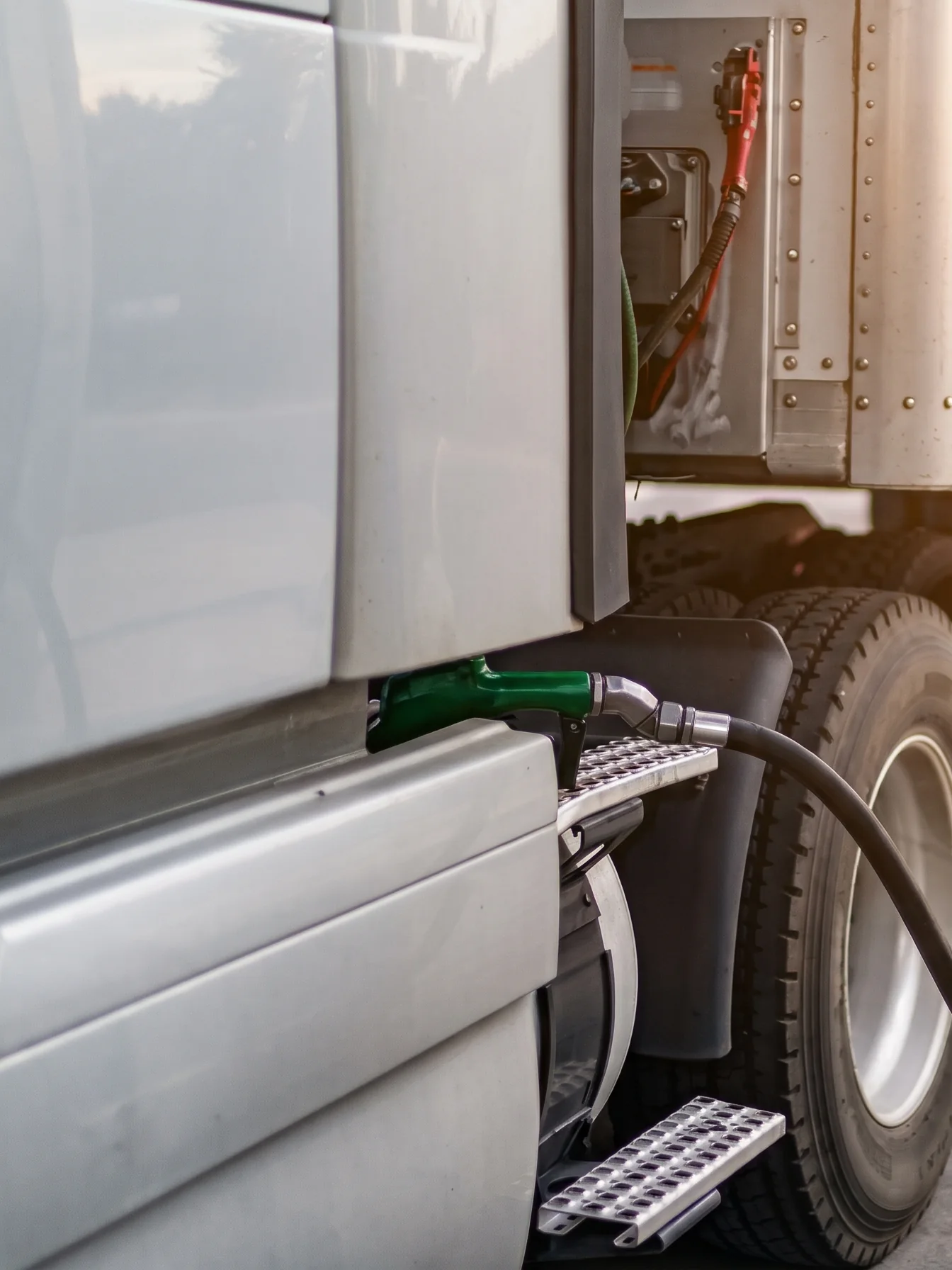
Putting Jet A-1 into a piston engine, or AVGAS into a turbine, can cause engine failure. Airports therefore use distinct colour coding, nozzle types and handling procedures for each fuel.
Quality and documentation
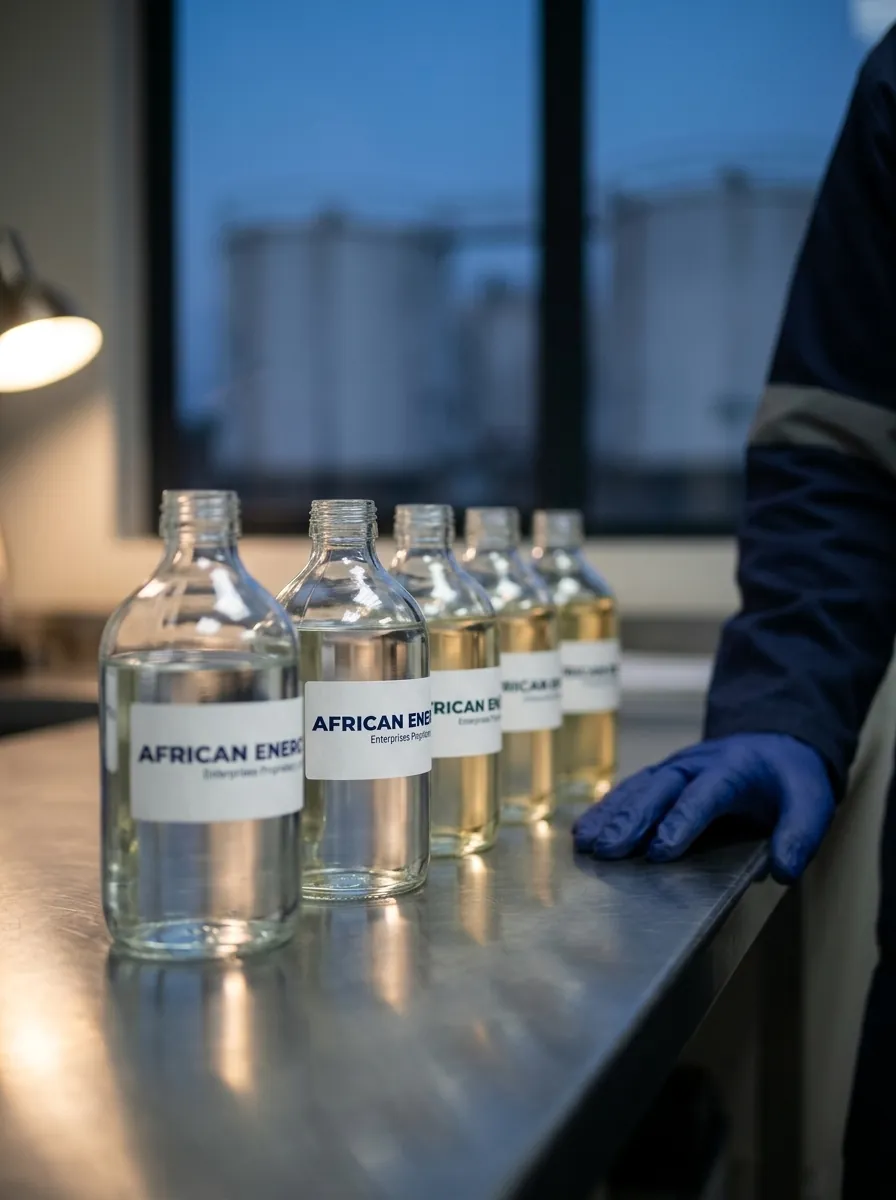
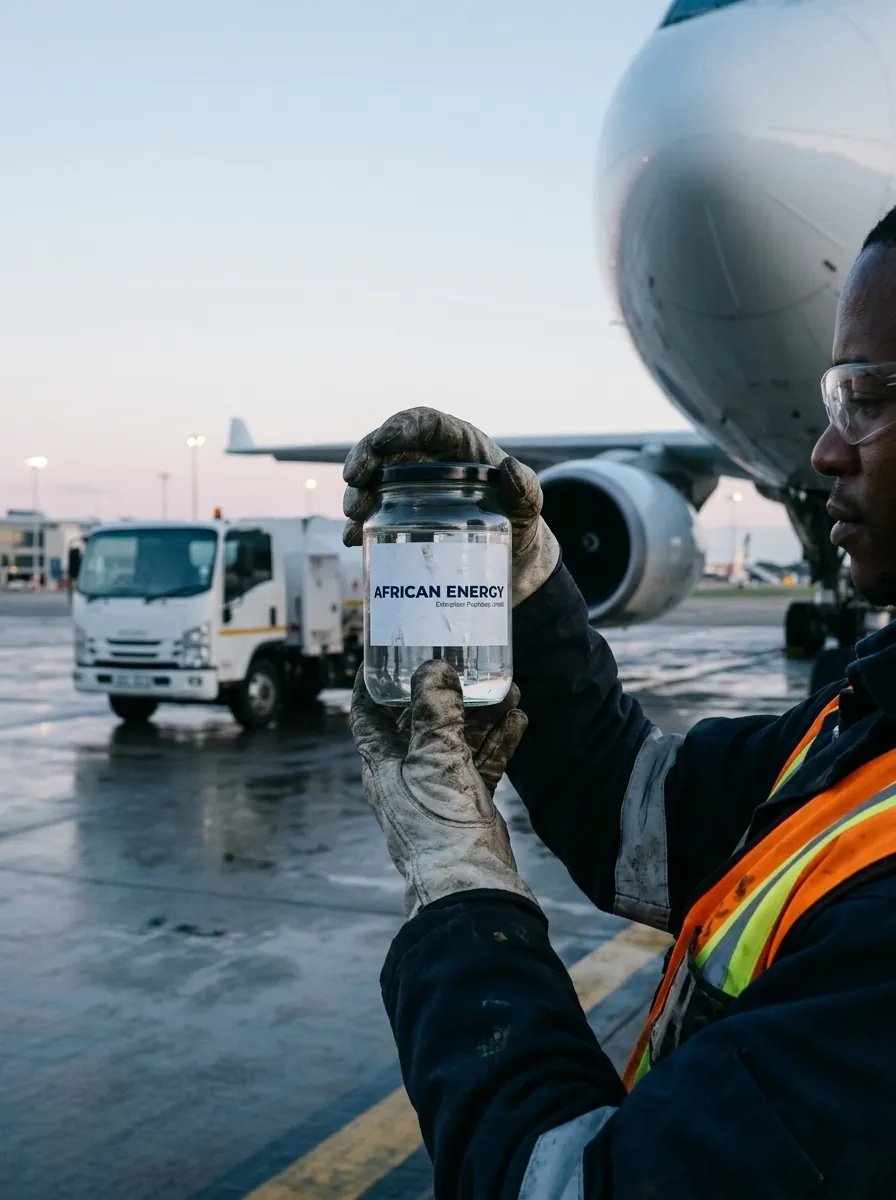
Aviation fuel passes through a documented chain of custody from refinery to wing, with sampling and testing at each stage. Operators should expect a certificate of quality for every batch and clear traceability.
Explore Jet fuel and Aviation gasoline, or discuss aviation fuel supply.
Published by African Energy Enterprises. This article is general information and does not constitute legal, tax or financial advice. Regulated prices and rules change; confirm current figures with the relevant authority.