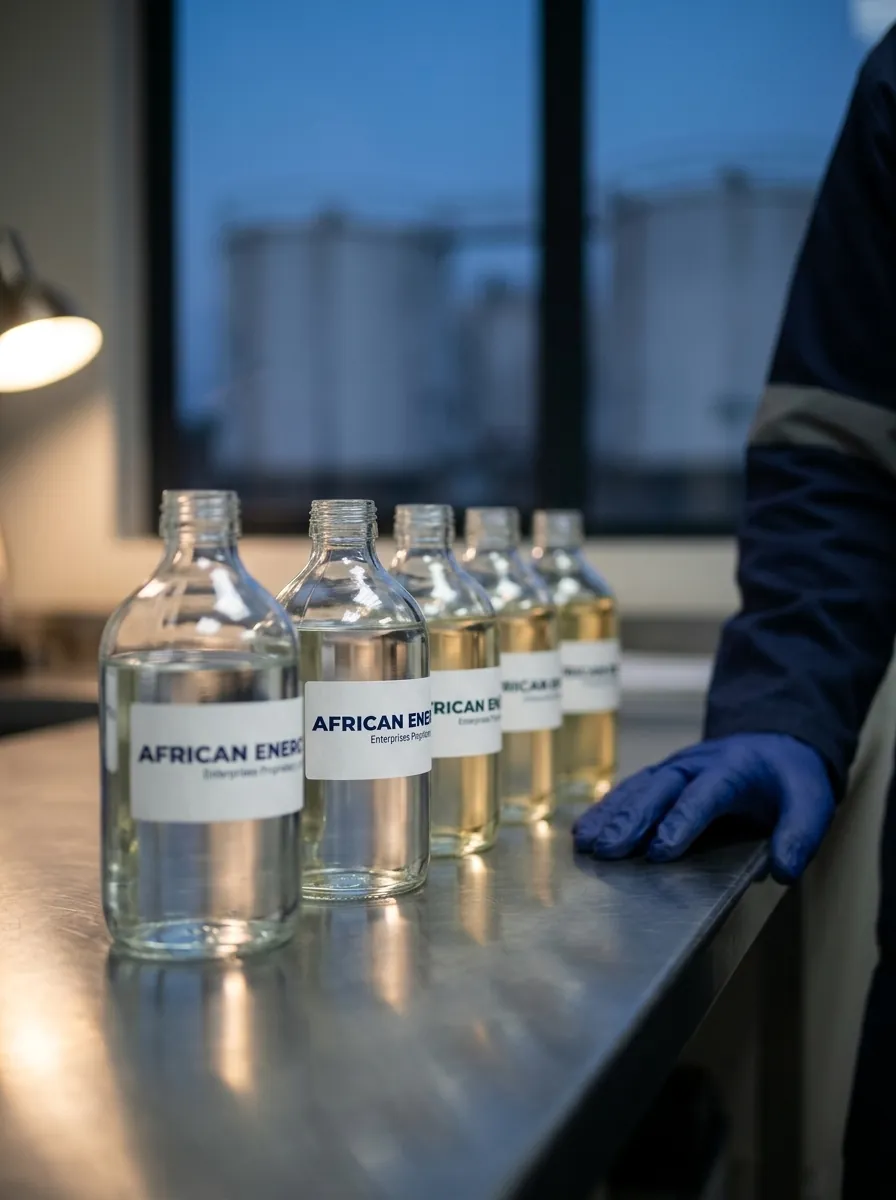
South African diesel is sold mainly in two sulphur grades: 0.05% (50ppm) and 0.005% (10ppm). The number refers to sulphur content in parts per million. The difference matters for engine performance, emissions compliance and cost.
Why sulphur matters
Sulphur in diesel forms sulphur oxides when burned. Modern engines, particularly those built to Euro 5 and Euro 6 emission standards, use after-treatment systems such as diesel particulate filters and selective catalytic reduction. High sulphur content can damage these systems and reduce their efficiency.
Which grade do you need?
- 10ppm is generally required for modern light vehicles and newer heavy vehicles with advanced after-treatment. Check the manufacturer’s specification.
- 50ppm remains widely used by older fleets, generators, mining equipment and plant where the manufacturer permits it.
When in doubt, the equipment manufacturer’s fuel specification is the authority. Warranty terms often depend on it.
The price gap
Lower-sulphur diesel costs more to produce and import. The regulated schedule lists two grades: in October 2026 the inland wholesale price was R32.80 a litre for 0.005% sulphur (50ppm) against R31.95 for 0.05% (500ppm), a gap of 85c. For a high-volume user, buying the higher grade unnecessarily is a significant cost.
Looking ahead
South Africa’s Clean Fuels 2 standards will tighten fuel specifications further. See what Clean Fuels 2 means for fleets.
Request a diesel supply quote for either grade.
Published by African Energy Enterprises. This article is general information and does not constitute legal, tax or financial advice. Regulated prices and rules change; confirm current figures with the relevant authority.