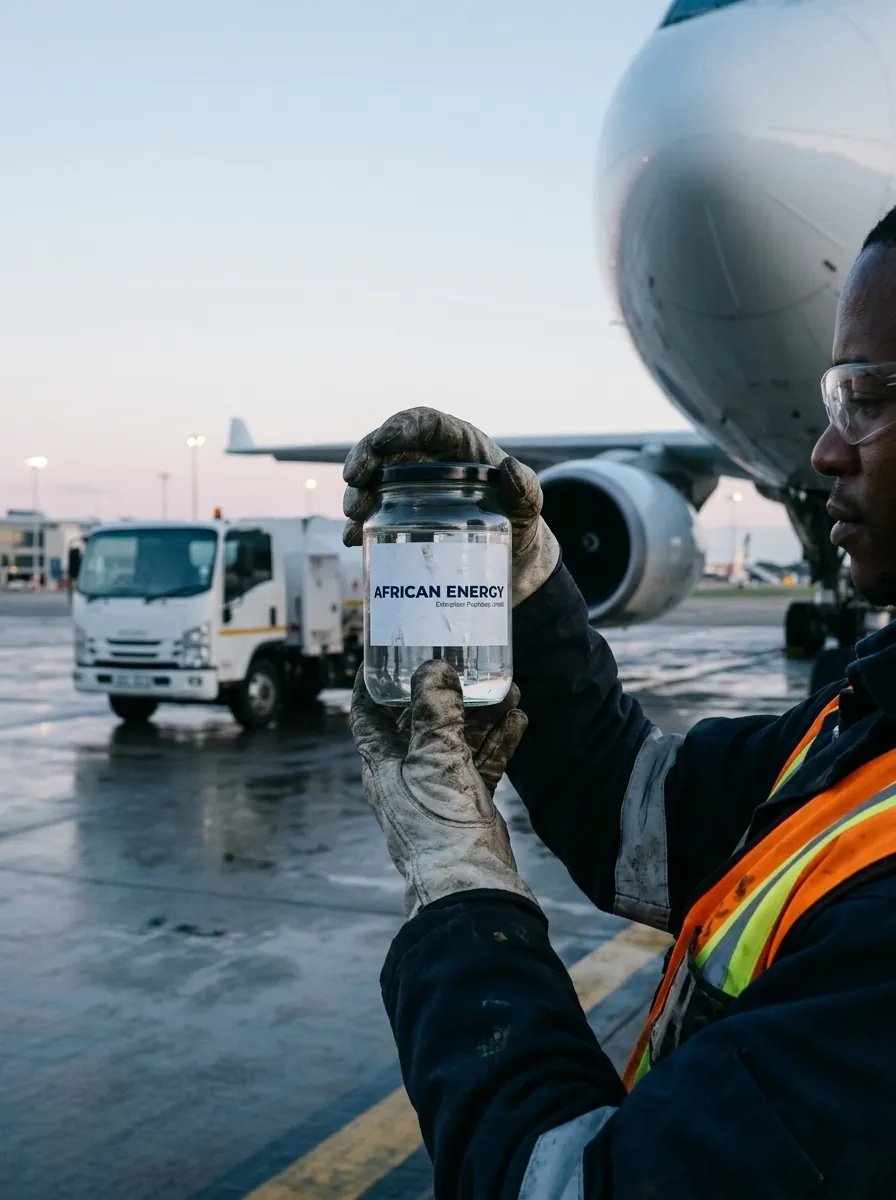
Modern diesel engines have extremely fine injection tolerances. Contaminated fuel can block filters, damage injectors and cause unplanned downtime, a serious cost for mines, fleets and standby power users.
The usual culprits
- Water enters through condensation, poorly sealed tanks or deliveries. It promotes corrosion and microbial growth.
- Microbial contamination (often called “diesel bug”) grows at the fuel–water interface, forming sludge that blocks filters.
- Particulates such as rust, dust and sediment come from tanks and handling equipment.
Detecting problems early
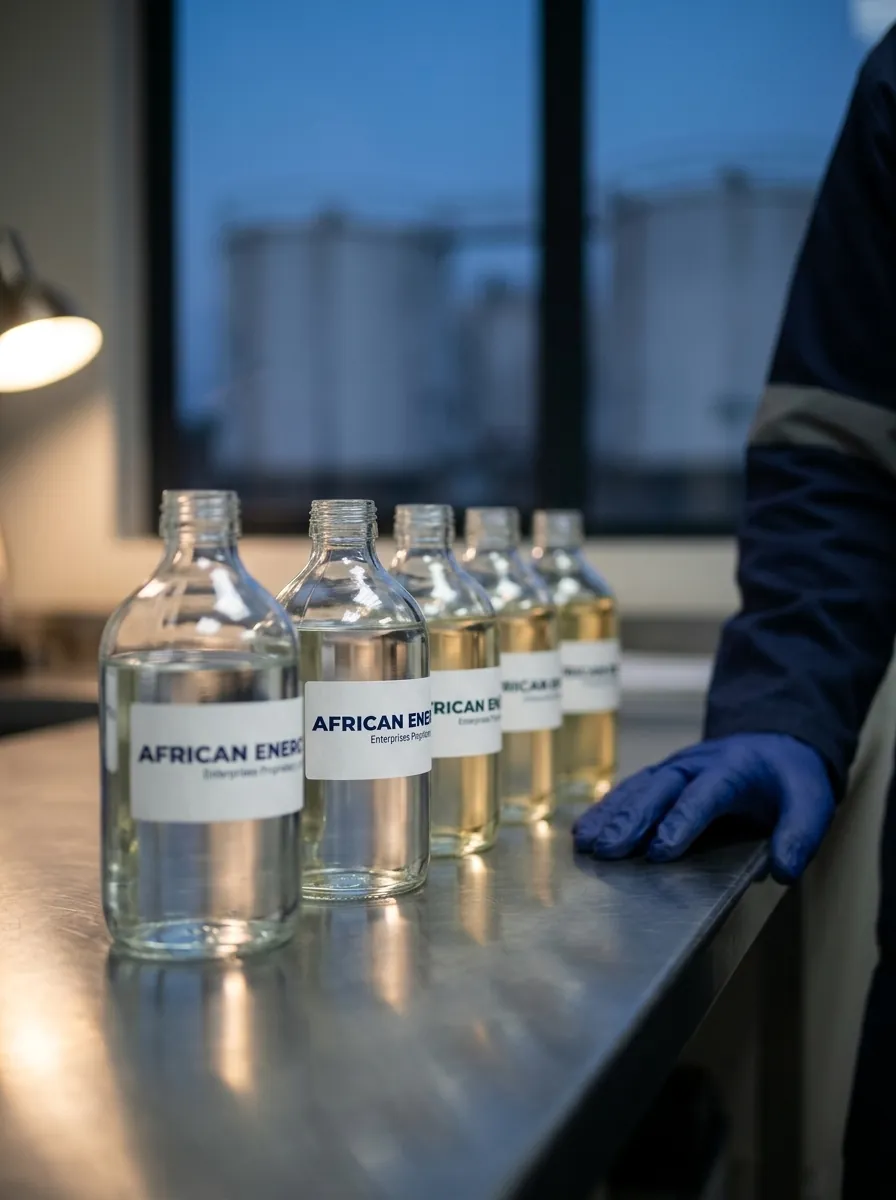
Watch for frequent filter changes, dark or hazy fuel, and slime at the bottom of tanks. Routine sampling and laboratory testing for water content, particulates and microbial activity give an objective picture.
Prevention
- Drain water from tank sumps regularly.
- Keep tanks full where practical to limit condensation.
- Fit filtration and desiccant breathers.
- Insist on quality documentation for every delivery.
Quality starts at the source. Read about our quality approach.
Published by African Energy Enterprises. This article is general information and does not constitute legal, tax or financial advice. Regulated prices and rules change; confirm current figures with the relevant authority.