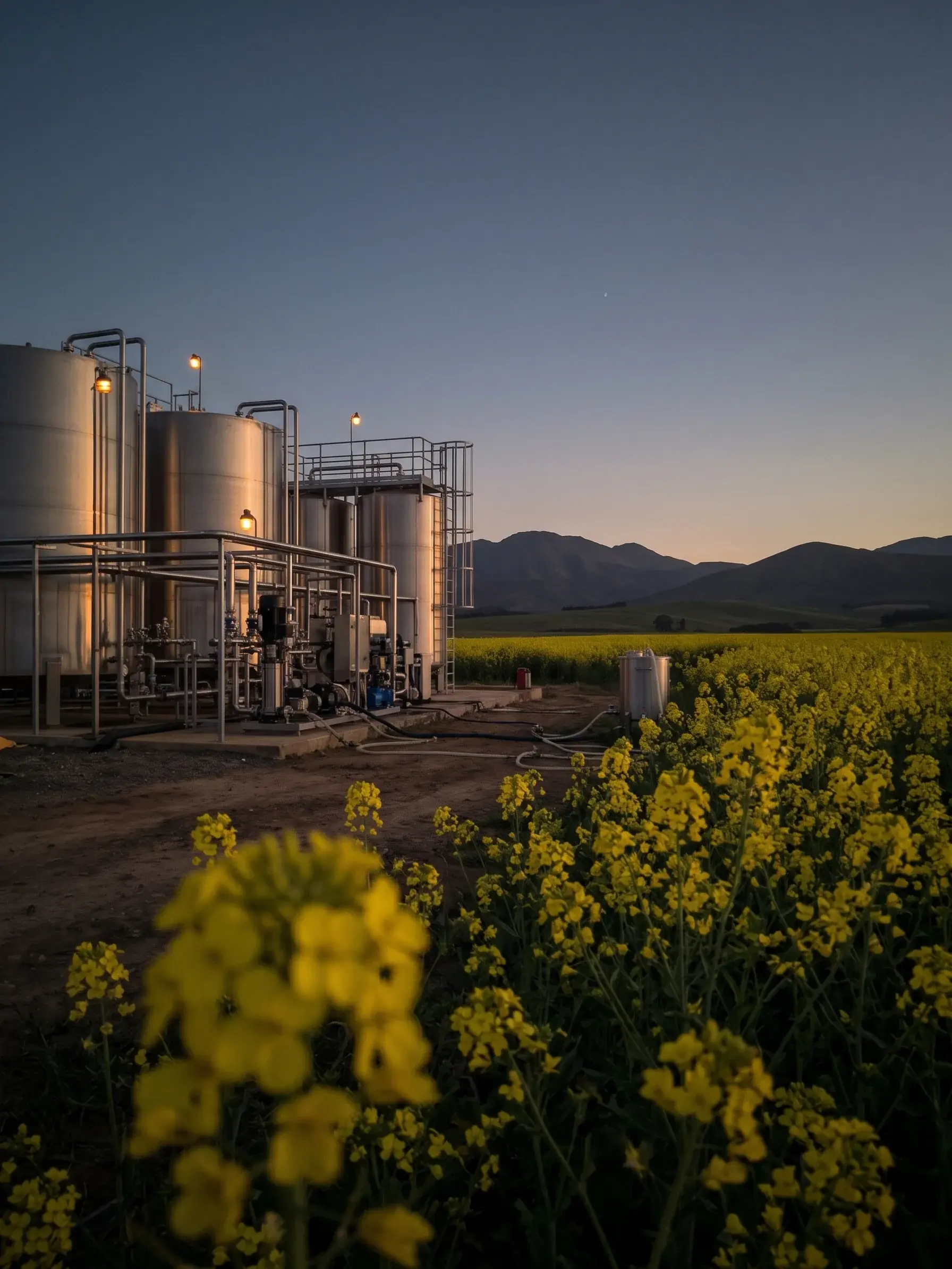
Biofuels — fuels produced from plant oils, sugars or waste feedstocks — offer a route to lower-carbon transport. South Africa has a policy framework for them, but commercial uptake has been slower than in many other countries.
The policy background
Regulations providing for the mandatory blending of biofuels with petrol and diesel were published under the Petroleum Products Act in 2012. Large-scale blending has been limited by feedstock costs, pricing frameworks and investment in production capacity. Policy continues to evolve, and buyers should check the current position.
How blending works
Biodiesel (fatty acid methyl ester, or FAME) is typically blended with conventional diesel at low percentages, such as B5 (5% biodiesel). Higher blends are possible in suitable equipment but require care.
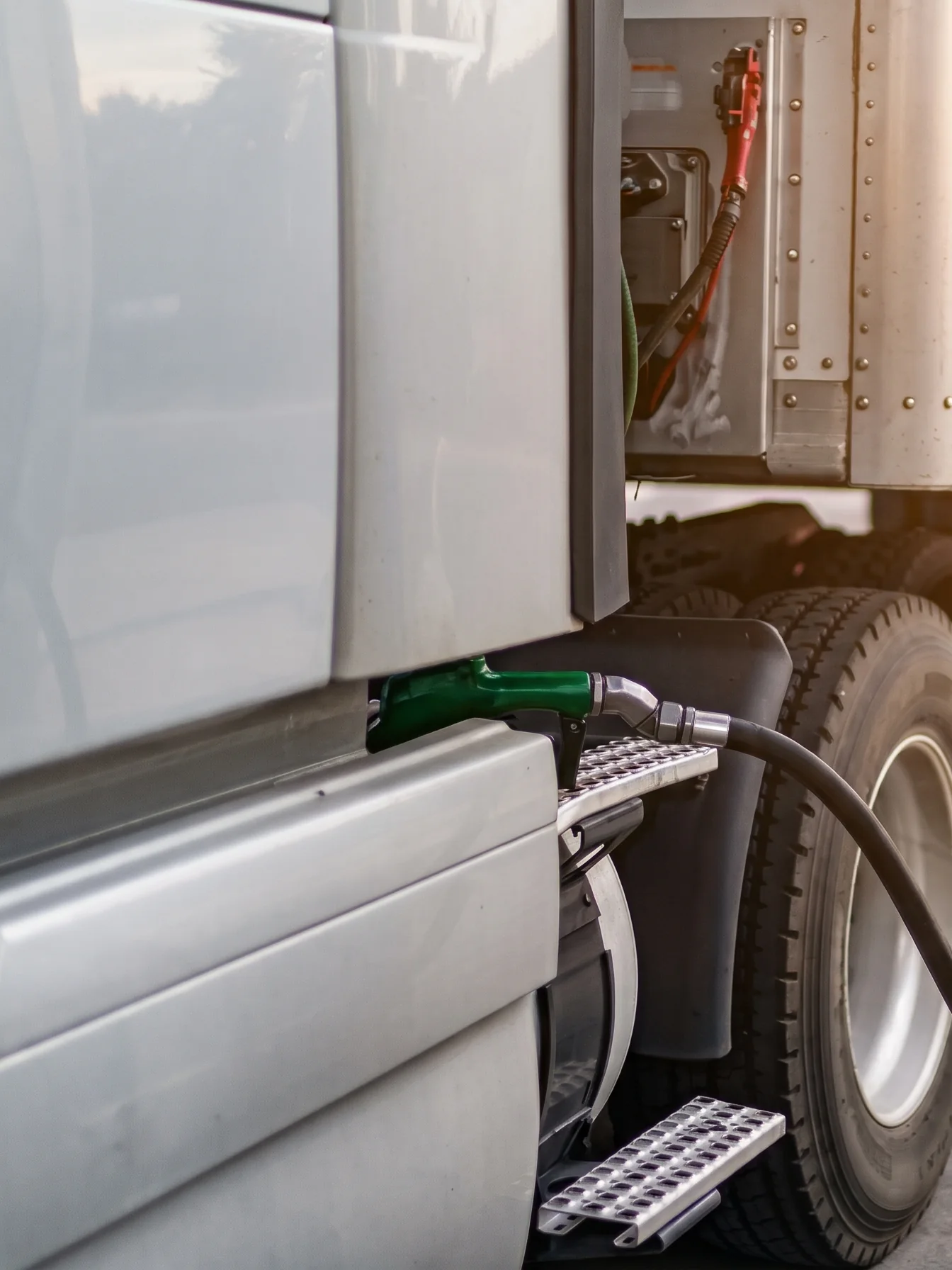
Considerations for fleets
- Manufacturer approval: confirm the blend levels your engines are warranted for.
- Storage stability: biodiesel can be more prone to water uptake and microbial growth.
- Cold weather: some blends can gel at lower temperatures.
Availability varies. Ask us about biofuels.
Published by African Energy Enterprises. This article is general information and does not constitute legal, tax or financial advice. Regulated prices and rules change; confirm current figures with the relevant authority.