An offshore drilling or production campaign is only as reliable as the supply chain behind it. Every day, rigs and platforms need fuel, water, drilling fluids, equipment, food and people, and they generate waste that must be brought back to shore.
The building blocks
- Shore base: quayside space, warehousing and laydown areas where cargo is prepared.
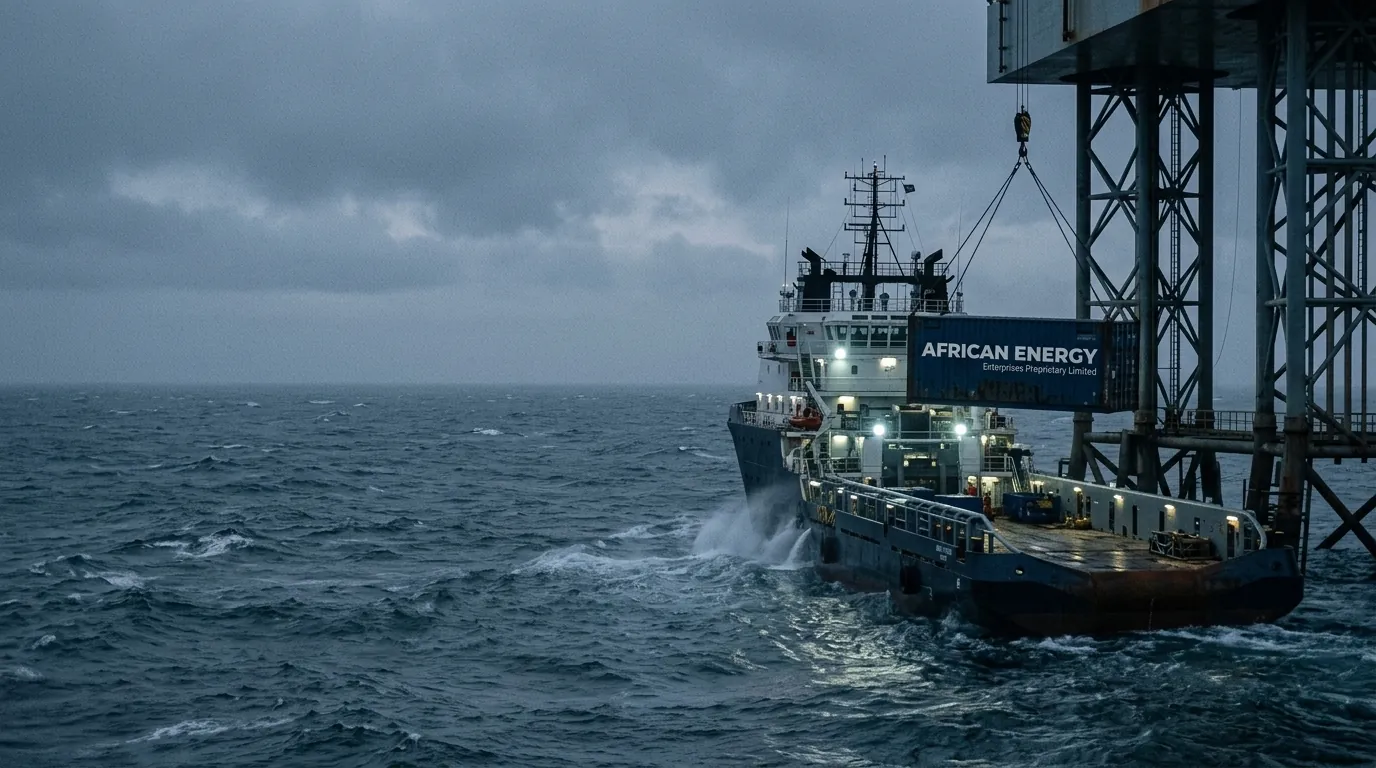
- Platform supply vessels (PSVs): carry deck cargo and bulk liquids to installations.
- Equipment supply: tubulars, valves and specialised equipment, often with long lead times.
- Waste management: segregation, containment and onshore treatment in line with environmental regulation.
What makes it work
Upstream logistics is a planning discipline. Weather windows, vessel availability and drilling schedules all interact. A missed delivery can leave a rig waiting, at very high daily cost.
What operators look for in partners
- Strong health, safety and environmental performance
- Local knowledge and regulatory understanding
- Transparency about what is delivered directly and what through partners
- Responsive communication and contingency planning
Explore our oil and gas industry support or discuss a requirement.
Published by African Energy Enterprises. This article is general information and does not constitute legal, tax or financial advice. Regulated prices and rules change; confirm current figures with the relevant authority.