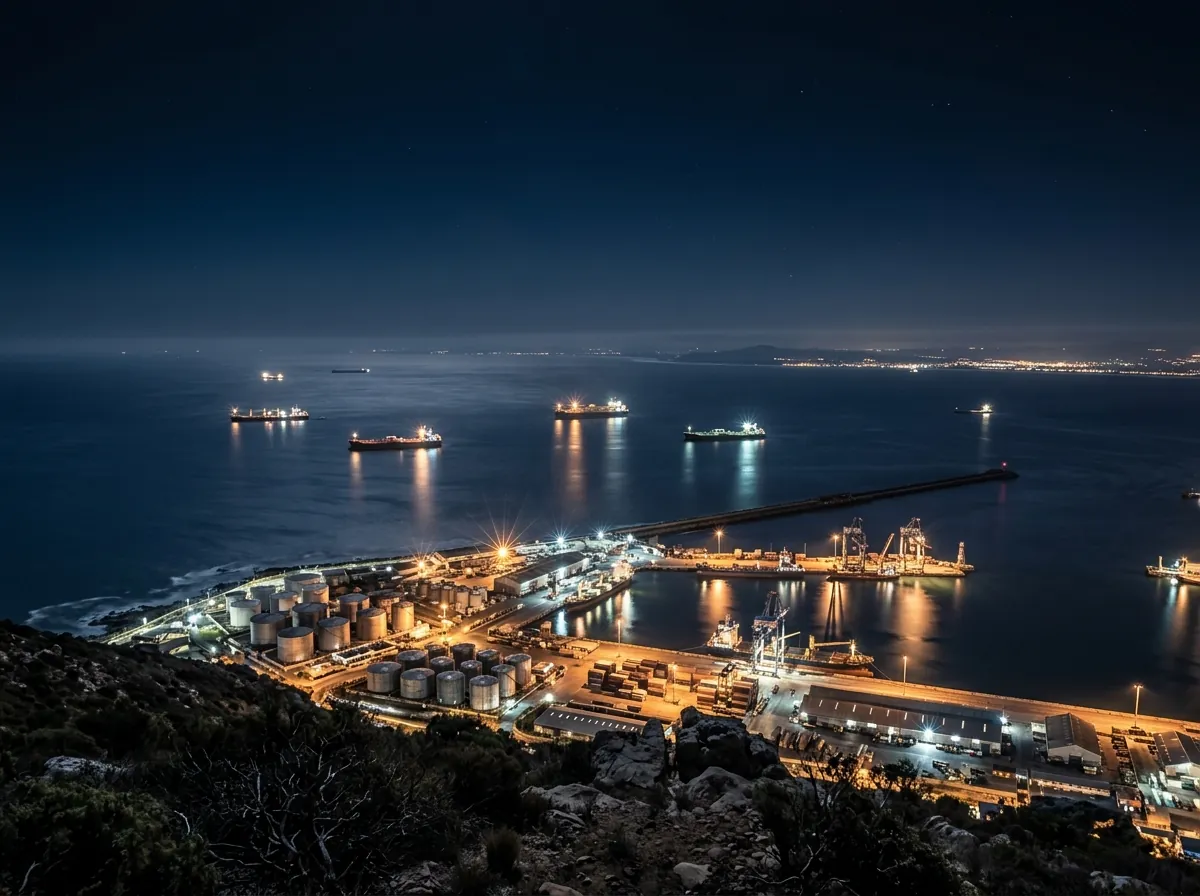
For decades South Africa met most of its liquid fuel needs from local crude refineries and Sasol’s synthetic fuels plant. That picture has changed. Several coastal refineries have stopped refining, and the country now imports a substantial share of its petrol, diesel and jet fuel as finished product.
Import parity was always the pricing basis
South Africa’s fuel prices have long been set on an import parity basis: the regulated Basic Fuel Price reflects what it would cost to import refined fuel, whether or not it is actually imported. What has changed is that the physical supply chain increasingly matches the pricing model.
Where the pressure points are
- Ports and berths. Import volumes depend on tanker berths and discharge capacity at ports such as Durban, Richards Bay, Saldanha and Cape Town.
- Storage. Coastal and inland storage determine how much buffer the system holds against disruption.
- Inland logistics. Moving product from the coast to Gauteng and mining regions relies on pipeline, rail and road capacity.
What this means for buyers
For commercial users, supply security is now as much about logistics as about price. Diversifying suppliers, understanding where your supplier sources product and agreeing clear delivery commitments all reduce risk.
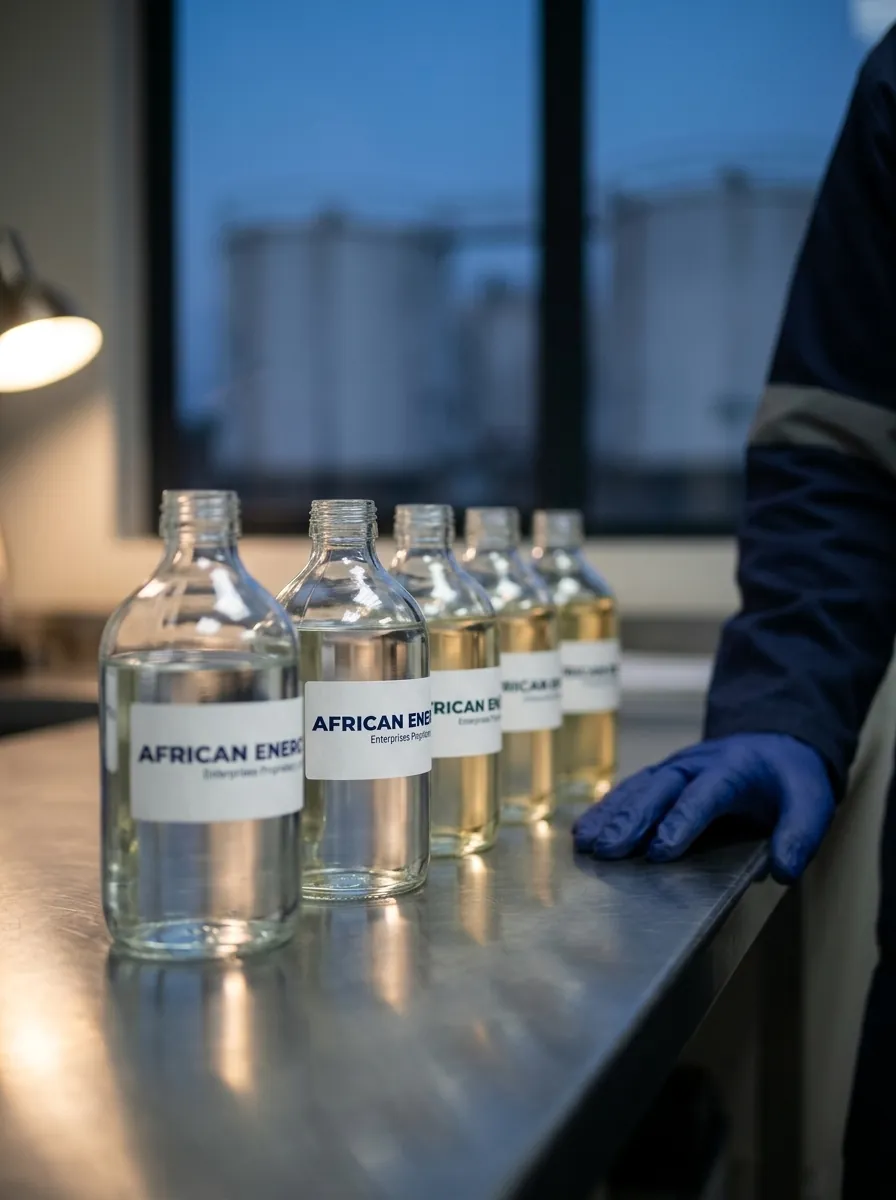
African Energy imports diesel in bulk and supplies wholesale and commercial buyers. See our services.
Published by African Energy Enterprises. This article is general information and does not constitute legal, tax or financial advice. Regulated prices and rules change; confirm current figures with the relevant authority.